

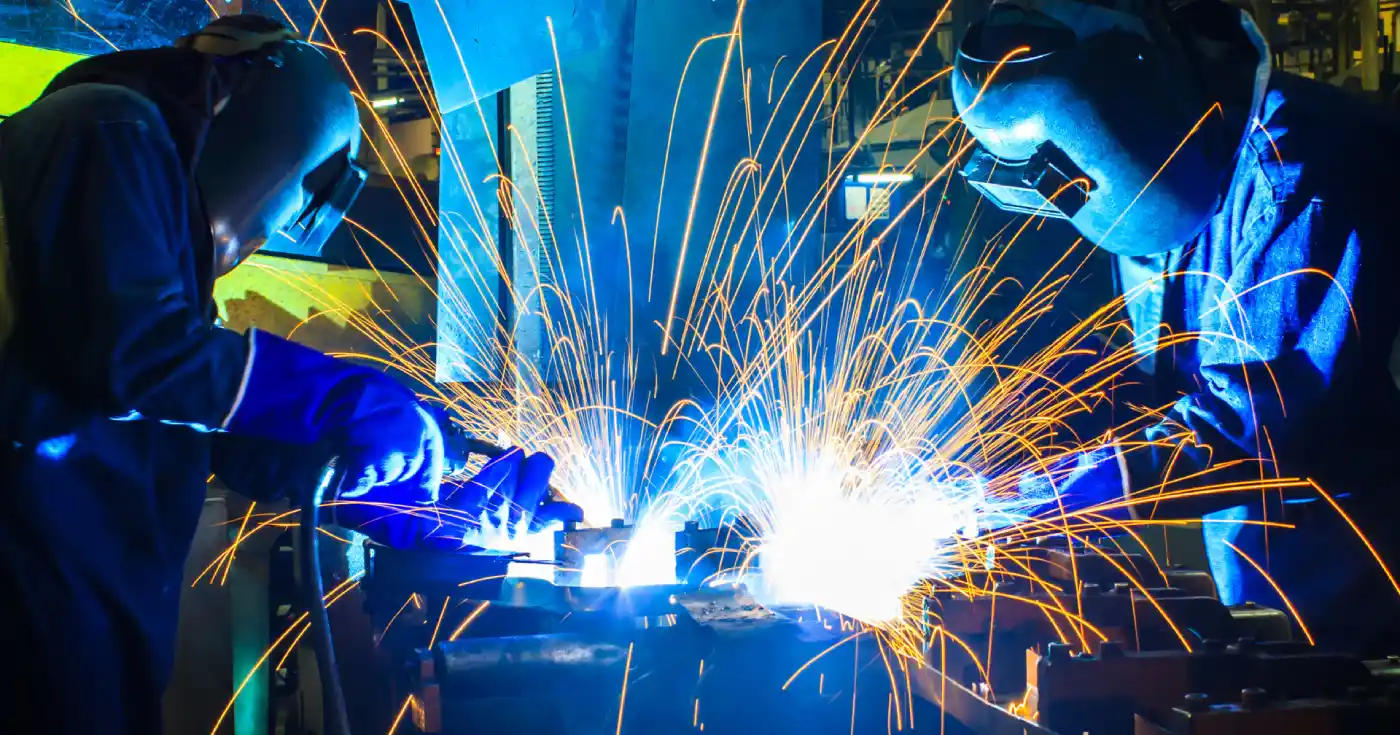
Specialized weld joining processes are critical to guarantee structural integrity, safety, and operational efficiency in highly demanding naval, maritime, port, and industrial projects.
What are specialized weld joining processes?
Welding is the soul of shipbuilding, where every joint must withstand hydrostatic pressures, constant vibrations, and highly corrosive environments. Industrial welding processes, such as submerged arc, MIG/MAG, and TIG, are applied with advanced techniques to ensure deep penetration and superior mechanical strength in naval steels, complying with the most rigorous international standards dictated by classification societies to ensure the safety of vessels and their crews.
Weld inspection and quality
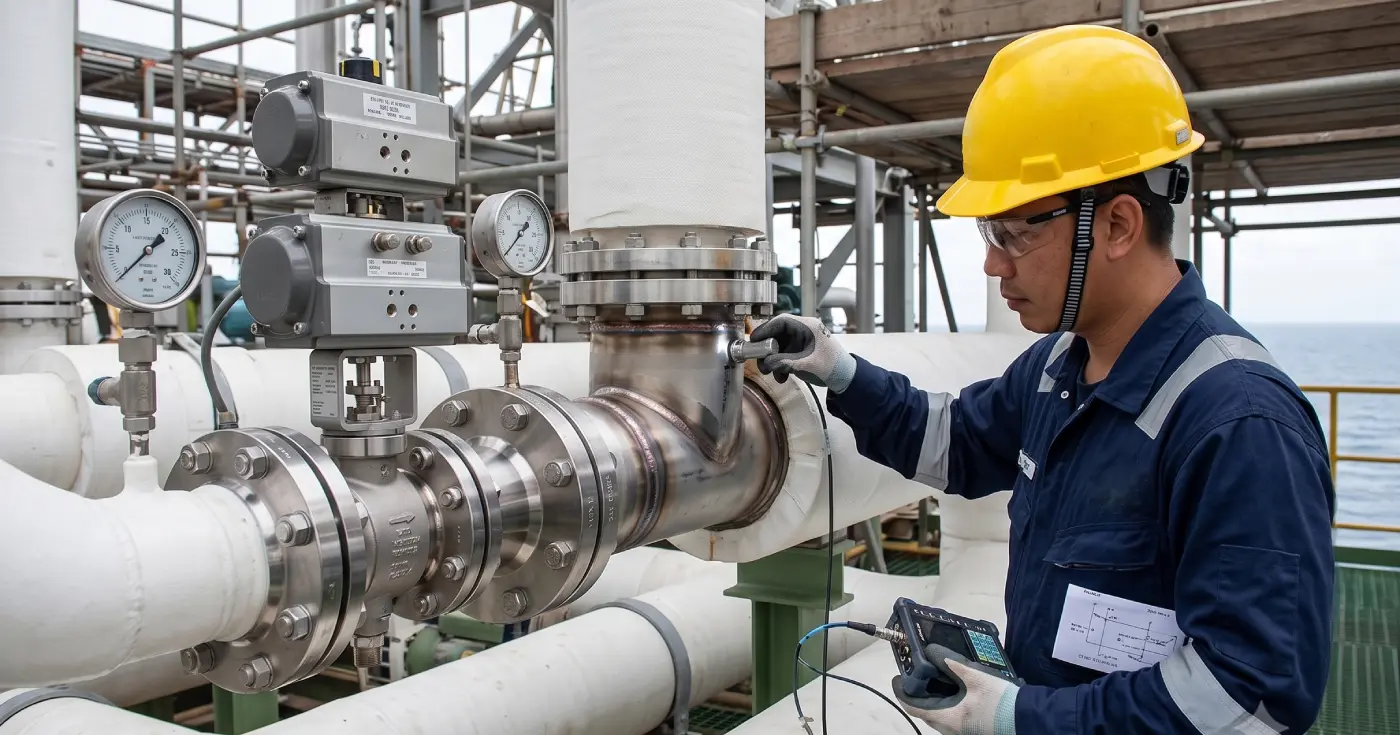
The integrity of any metal structure depends on the quality of its joints. Implementing non-destructive testing (NDT) protocols, such as ultrasound, radiography, and magnetic particles, is essential to detect internal discontinuities. Detail engineering requires that every joint be verified by qualified inspectors, ensuring that the process complies with design specifications and current regulations that prevent catastrophic failures in service.
Metal structures and shipbuilding
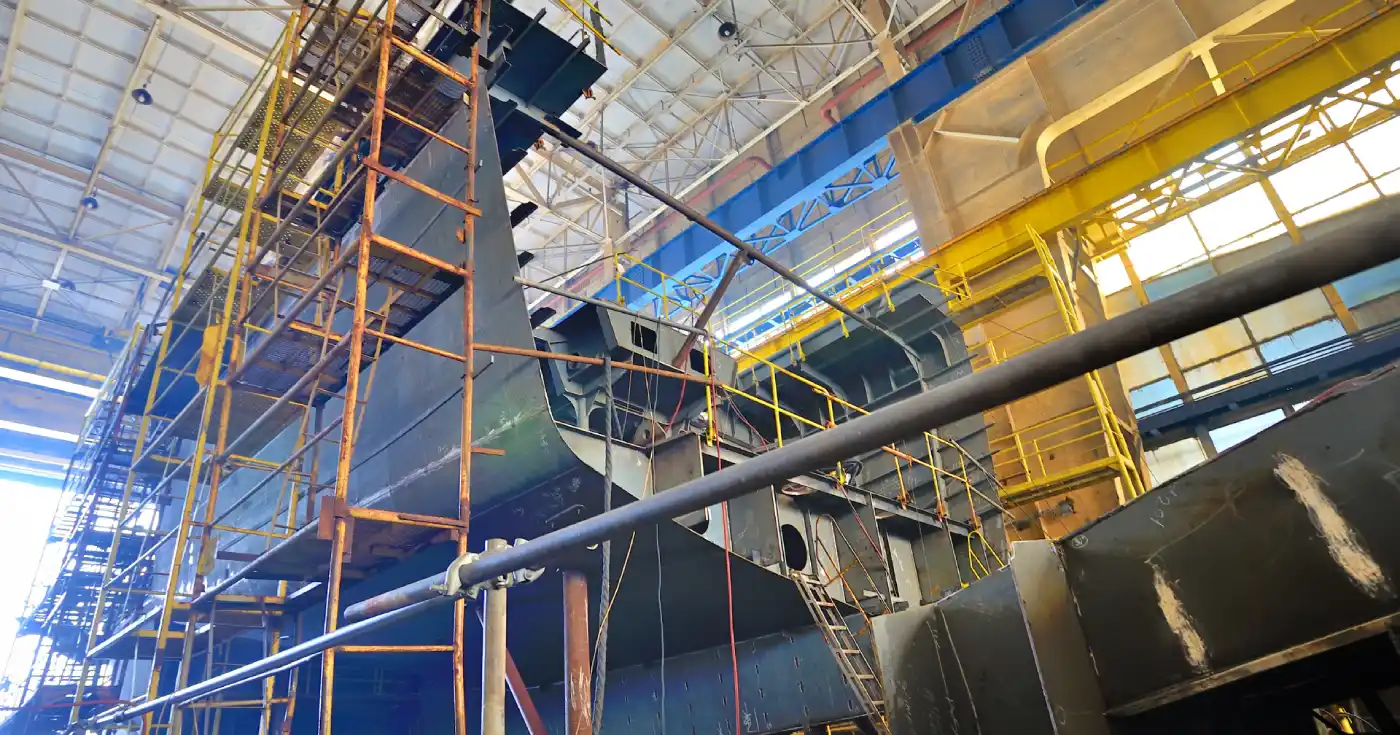
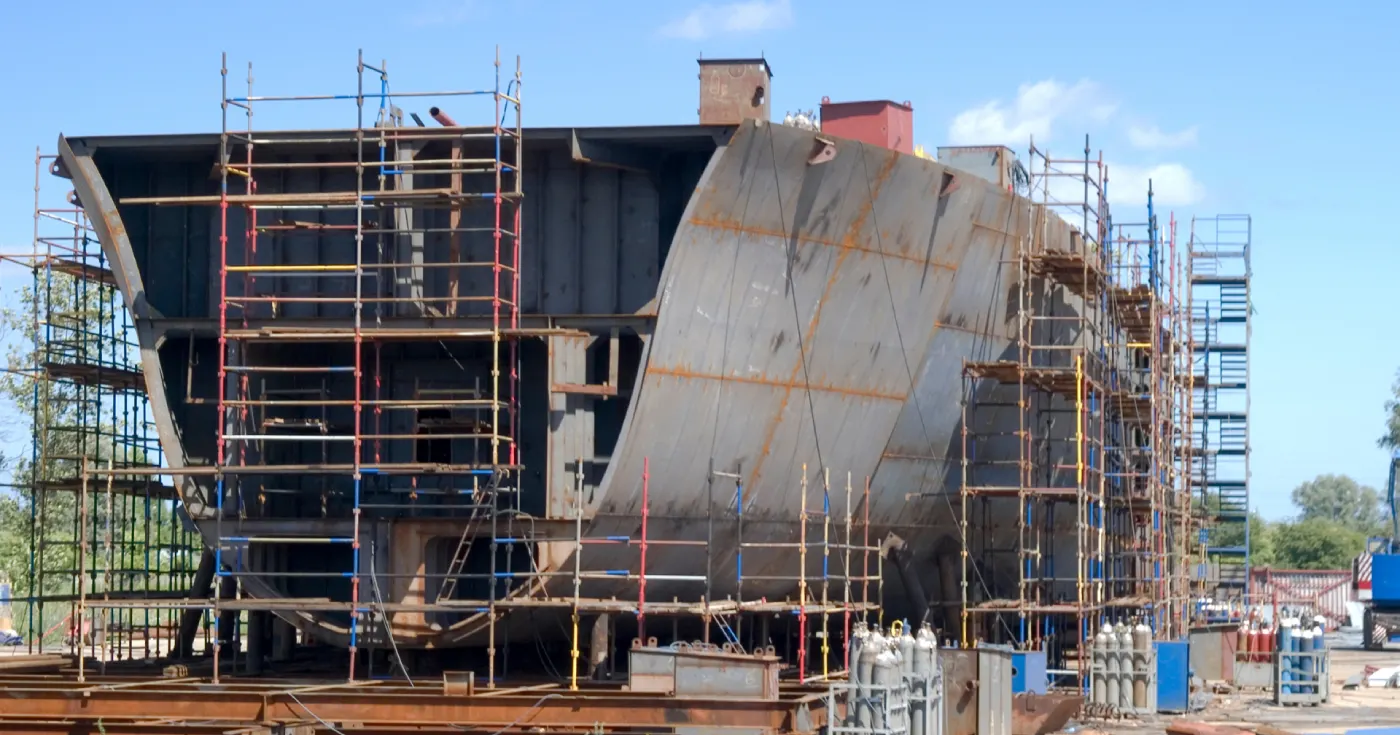
In modern shipbuilding, the prefabrication of modular blocks demands a level of millimeter precision in their joints. Structural engineering guides these processes, ensuring that sections are assembled without distortions or residual stresses. The ability to join large metal structures in controlled shipyard environments optimizes delivery times and improves the quality of the final finish, being a determining factor for the sector's competitiveness.
Mechanical engineering and manufacturing processes
Mechanical engineering provides the technical framework to select the appropriate consumables and equipment for each type of metal alloy. The correct execution of manufacturing processes, including preheating and post-weld heat treatment, is vital to avoid embrittlement. This technical discipline ensures that the unified components behave as a monolithic structure, capable of supporting the dynamic loads of the maritime and port environment without yielding.
Industrial maintenance and repairs
The maintenance of critical infrastructures requires joining processes capable of restoring original functionality in record time. Whether in emergency port repairs or scheduled dry dock maintenance, having qualified joining procedures is indispensable to return reliability to industrial systems. A rapid and technical execution minimizes losses due to downtime, allowing the infrastructure to return to its productive cycle with a full guarantee of durability.
Frequently Asked Questions
Specialized joining processes comprise a set of advanced welding and mechanical assembly techniques designed to guarantee the structural cohesion of metal components under extreme loads. In the naval industry, this ranges from joining high-strength hull plates to assembling heavy machinery and high-pressure piping. Each process is executed following qualified procedures (WPS) that dictate specific parameters for temperature, heat input, and technique, ensuring that joints are capable of withstanding the constant stress of the sea and corrosive environmental conditions without structural failure.
TECNAVAL Industrial Solutions S.A.S. can solve your needs through the application of advanced welding processes executed by highly qualified personnel. We have approved procedures for various alloys and thicknesses, ensuring that every structural joint complies with the standards required by classification societies. Our experience allows us to execute repairs and fabrications that ensure maximum structural integrity, providing you with the operational confidence necessary to face the challenges of the naval and industrial environment with total technical guarantee.
In the naval sector, various processes are employed depending on the application and required efficiency, highlighting submerged arc welding (SAW) for thick blocks due to its high productivity, and the MIG/MAG (GMAW) process for steel and aluminum structures due to its versatility in different positions. Shielded metal arc welding (SMAW) is also used for hard-to-reach field repairs and TIG (GTAW) welding for critical piping and high-precision components. Each method is selected considering factors such as deposition rate, joint quality, and the need to minimize thermal deformations in hull plates.
TECNAVAL Industrial Solutions S.A.S. can handle your welding needs by applying the optimal process for each particular situation. We possess cutting-edge infrastructure and specialists trained in all modalities of naval welding, allowing us to offer a technical solution tailored to your construction blueprints. By choosing us, you ensure that your vessel or structure receives the most appropriate welding treatment, maximizing operational efficiency and guaranteeing the longevity of your components under any nautical service condition.
Guaranteeing quality implies a management system that begins with the qualification of the welding procedure (WPS) and the welder (WPQ) prior to the start of work. During execution, control of critical variables such as current intensity, voltage, and interpass temperature must be carried out. Finally, quality is validated through non-destructive testing (NDT) such as ultrasound or industrial radiography to verify the absence of internal porosity, inclusions, or lack of internal fusion. The document traceability of each joint is fundamental for any project seeking to certify the robustness and safety of its metal structures.
TECNAVAL Industrial Solutions S.A.S. can handle your quality assurance need through a technical department dedicated to constant supervision. Our processes include internal audits where we validate that every welder and every procedure complies with required international standards. We deliver detailed reports and quality dossiers that serve as documentary backing before any audit or certifying entity. By working with our company, you eliminate risks associated with the execution of deficient joints, guaranteeing flawless, safe, and fully traceable technical results.
Welding processes must be qualified under international codes and standards such as those of the AWS (American Welding Society), ASME, or the specific requirements of Classification Societies (such as ABS, DNV, or Lloyd's). These certifications ensure that the procedure is capable of producing a joint with the mechanical properties necessary to withstand design stresses. Likewise, welding personnel must possess current credentials that endorse their skill in the specific processes, materials, and working positions, this being a non-negotiable requirement for any formal shipbuilding or repair work.
TECNAVAL Industrial Solutions S.A.S. can handle this critical requirement by maintaining a certified management system and welders with up-to-date qualifications. Our commitment to regulations is absolute, empowering us to execute work that surpasses inspections by certifying entities and naval insurers. By opting for our services, you are guaranteeing that your entire project possesses the necessary legal and technical backing, eliminating any risk of work stoppage due to failure to comply with global technical standards.
The range of materials is broad, including high-strength naval steels (such as grades AH36, DH36), austenitic stainless steels for highly corrosive environments, naval aluminum for high-speed lightweight structures, and various copper-nickel alloys for seawater piping systems. Joining these materials requires deep knowledge of their metallurgy to avoid changes in their mechanical properties, such as hydrogen embrittlement or grain growth in the heat-affected zone, which could ruin the structural integrity of the welded piece.
TECNAVAL Industrial Solutions S.A.S. can handle any material joining challenge by applying custom-designed procedures for each type of alloy. Our technical team evaluates your material's properties before performing any intervention, ensuring the use of compatible consumables and optimal application techniques. Thanks to our experience, we can execute critical joints in diverse materials, ensuring that the treated piece retains its strength and durability, allowing you to count on a robust, safe, and technically superior infrastructure in any maritime or industrial sector.
Hiring certified welders guarantees consistent execution, reducing the appearance of internal defects and the need for costly repairs due to joint failures. A certified welder not only applies technique but understands regulations, knows how to interpret blueprints, and respects procedures, raising productivity and final work quality. Furthermore, their presence brings peace of mind to the project manager, since having personnel endorsed by independent third parties significantly reduces the risk of structural incidents, optimizing technical work approval and complying with civil liability demanded in the industrial environment.
TECNAVAL Industrial Solutions S.A.S. can meet your personnel needs with certified welders under the market's strictest standards. We value joint quality as a strategic asset for the safety of your vessels and facilities. By integrating our certified personnel into your project, you ensure flawless execution, decrease final inspection times, and protect your asset's integrity from the very first welding pass, guaranteeing technical efficiency, legal compliance, and excellence in every joint performed on your project.
Inspection is carried out through a non-destructive testing plan that verifies surface and internal integrity. It begins with a visual inspection, followed by methods like magnetic particles or liquid penetrants to detect open cracks. Subsequently, to validate internal integrity, industrial ultrasound or radiography techniques are employed, allowing the identification of hidden defects such as porosities, inclusions, or lack of fusion. These tests are mandatory at critical structural points and must be executed by certified personnel (Level II or higher), guaranteeing objective results that validate the ship's operational safety.
TECNAVAL Industrial Solutions S.A.S. can handle your inspection needs by coordinating a total verification scheme, both during and after welding processes. We have advanced inspection equipment that allows meticulous tracking of each joint, eliminating any doubt regarding executed quality. Our technical capacity ensures that every welded joint passes inspection tests successfully, providing you and classification societies with the technical evidence necessary to endorse the safety and strength of your metal structure in a certified manner.
References and technical regulations
Guarantee the integrity of your structures
Looking for superior technical results? Entrust your Specialized joining processes to certified experts and ensure durability, regulatory compliance, and structural excellence in your naval and industrial projects.