

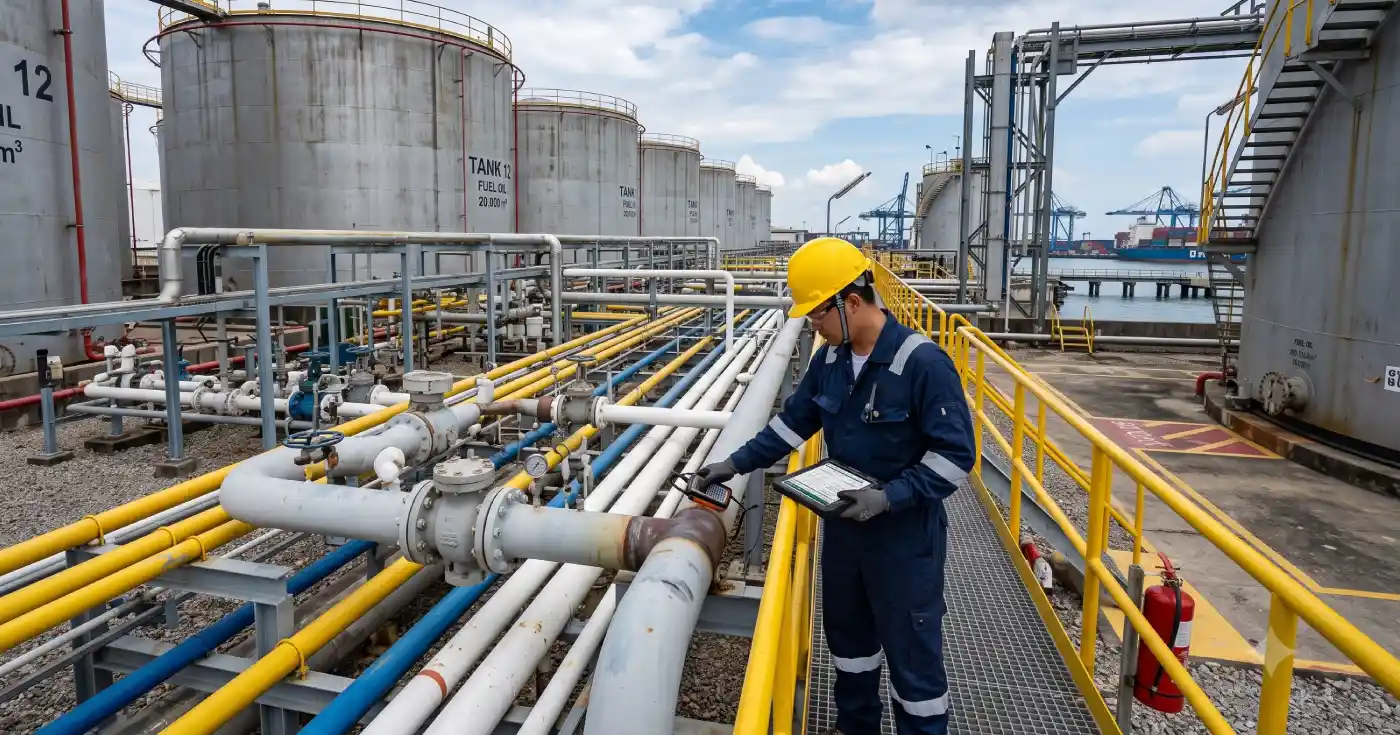
Proper industrial fluid storage guarantees operational safety, complies with environmental regulations, and optimizes logistical efficiency across maritime terminals and industrial plants.
What is fluid storage?
It is the comprehensive technical management of containing liquids, gases, or chemical mixtures within reservoirs engineered under strict safety and corrosion-resistance standards. In naval, port, and industrial environments, this infrastructure serves as the core of the supply chain, ensuring energy sources, lubricants, or raw materials remain accessible with full integrity, eliminating leak risks that could compromise operational continuity or marine ecosystems.
Industrial tanks for heavy-duty demands
Selecting industrial tanks requires evaluating fluid chemical properties, operating pressures, and surrounding environmental severity. Whether utilizing coated carbon steel or specialized salinity-resistant alloys, structural integrity is paramount. Proper design maximizes containment volume while ensuring total retention, preventing contamination hazards and adhering to international operational safety codes.
Fuel storage and safety
Hydrocarbon handling demands infrastructure fortified against fire and spillage. Modern storage systems integrate double-wall construction, leak detection sensors, and controlled venting setups. Proper management of these storage units prevents critical workplace incidents while preserving fuel purity—vital for the continuous operation of ships and heavy machinery in the maritime sector.
Process engineering and design
Process engineering establishes the layout of transfer systems, including pumps, piping networks, and automated valves. Well-executed technical design minimizes evaporative losses, facilitates efficient discharge, and ensures each fluid is handled according to its technical safety datasheet. Applied engineering transforms a standard storage tank into a high-performance logistics asset driving plant productivity in Cartagena.
Industrial infrastructure and reliability
Industrial plants rely on storage infrastructure built to endure intensive loading and unloading cycles. Solid foundation design, electronic monitoring instrumentation, and robust structural steel supports guarantee high technical reliability, enabling plant managers to make informed, real-time inventory management decisions.
Piping systems and fluid transfer
Interconnected piping systems function as vital conduits ensuring constant energy and fluid transfer. Certified specialized welding ensures absolute watertight and airtight integrity. System designs account for thermal expansion and dynamic hydraulic pressure to prevent joint fatigue, safeguarding against leaks that could halt port or plant operations.
Preventive industrial maintenance
Preventive maintenance remains the essential approach to stopping structural degradation in storage units. Systematic technical inspections, internal cleaning, and ultrasonic thickness gauging enable proactive remediation before catastrophic failures occur. Maintaining assets in optimal condition protects capital investments and ensures full compliance during maritime and environmental regulatory audits.
Industrial safety in fluid handling
Fluid storage safety encompasses access control, hazard labeling, ignition prevention, and rapid spill response systems. A preventive methodology manages latent risks, protecting personnel physical integrity, securing cargo transfer continuity, and upholding corporate environmental compliance during unforeseen contingencies or audits.
Maritime and port industry
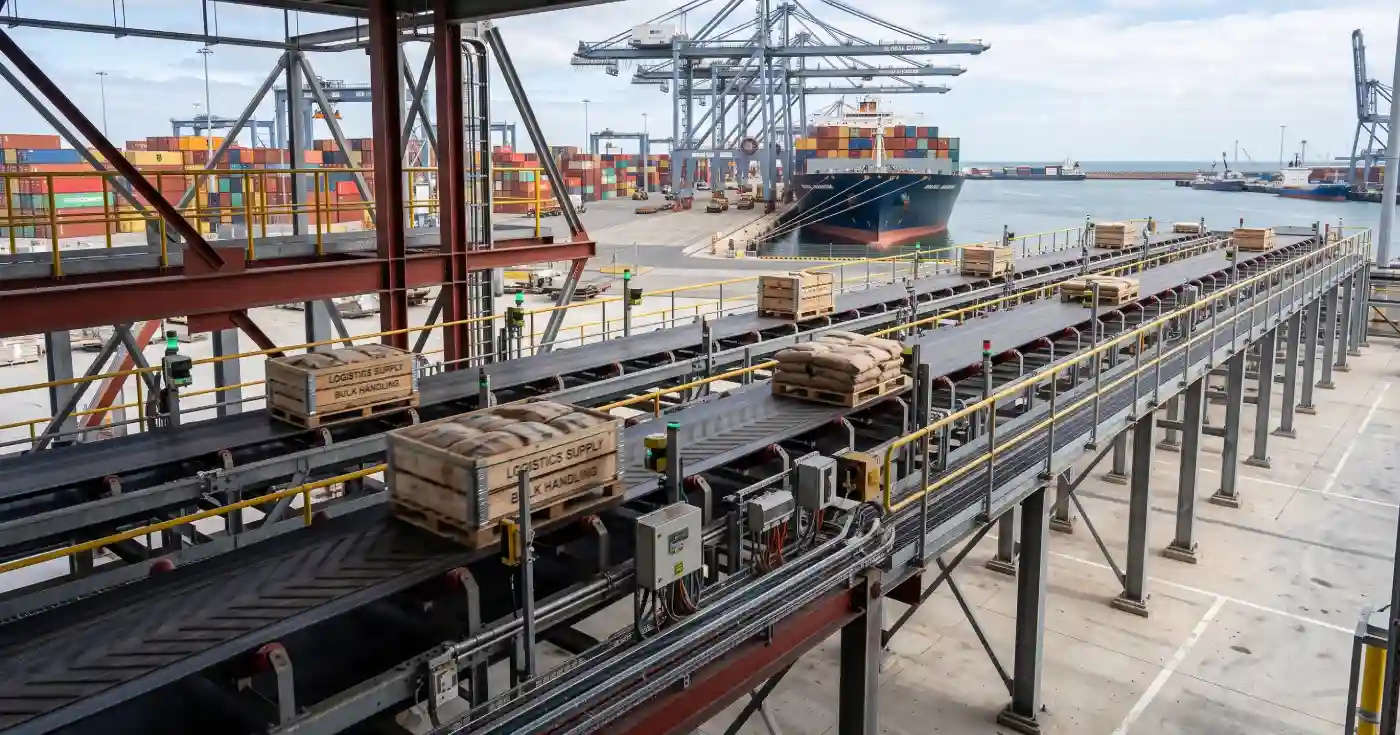
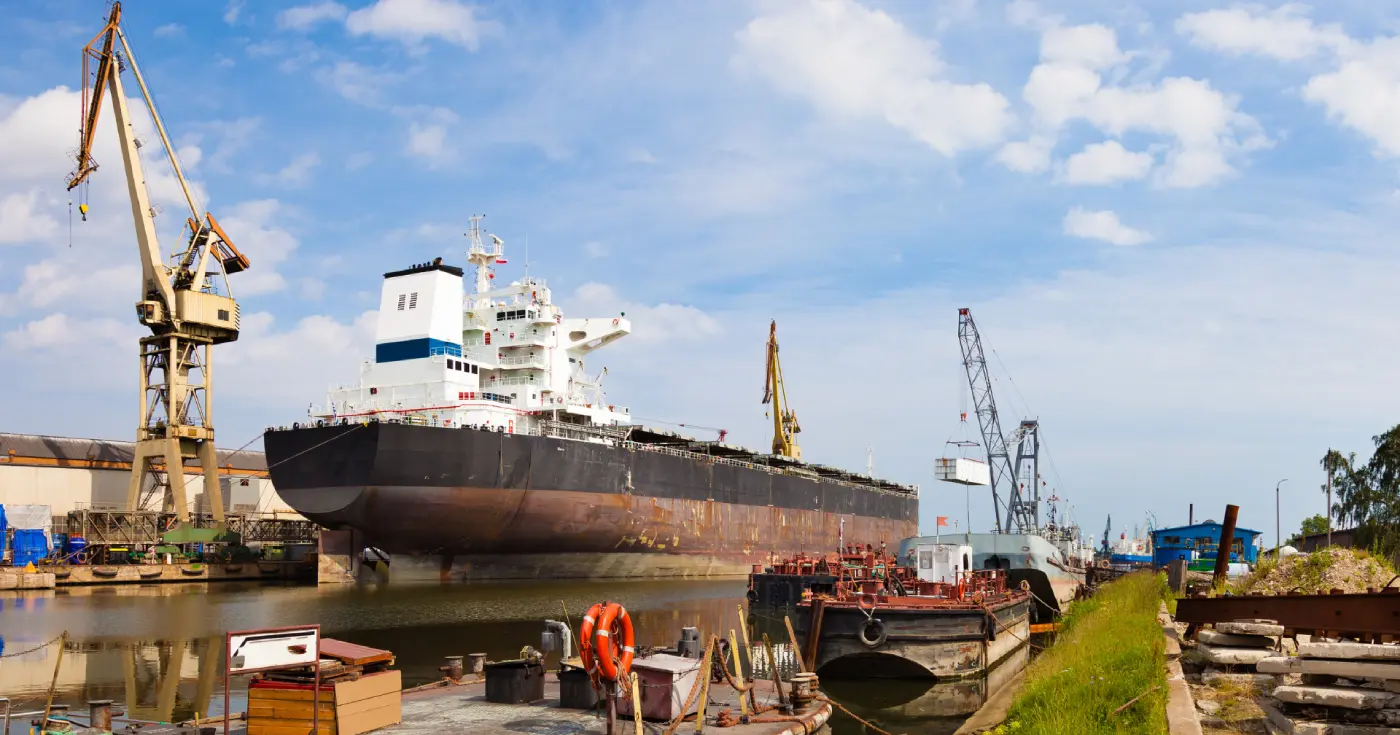
The port sector demands storage configurations that interface seamlessly with vessel logistics. Fast fluid bunkering and transfer capabilities that preserve product purity standards represent a critical competitive advantage for industrial terminals. Reliable infrastructure guarantees precise, secure, and rapid vessel servicing, minimizing port turnaround times.
Frequently Asked Questions
Available solutions include large-capacity vertical tanks, pressurized horizontal vessels, tank farm systems for fuel bunkering, and specialized double-wall containment units. Each implementation depends on fluid characteristics, flammability, viscosity, and local regulatory requirements. Systems also integrate pumping stations, filtration modules, and telemetry-based inventory tracking, delivering automated, high-precision monitoring that alerts personnel to critical fluid levels in real time to prevent operational shortages or safety failures.
TECNAVAL Industrial Solutions S.A.S. fulfills these requirements through custom design and fabrication of turnkey storage systems. Our team delivers comprehensive packages incorporating storage vessels, piping networks, pumps, and automated control equipment essential for safe operations. Backed by extensive technical experience in Cartagena, we provide fully compliant solutions that maximize operational safety and efficiency while protecting your capital investment and process continuity.
Fluid storage is governed by international codes including API (American Petroleum Institute), NFPA (National Fire Protection Association) fire safety standards, and Colombian technical regulations for hazardous materials handling. These standards define structural tank design parameters, steel plate thicknesses, safety setback distances, electrical grounding/lightning protection, and secondary spill containment protocols. Full compliance is mandatory to secure operating licenses and prevent severe regulatory penalties.
TECNAVAL Industrial Solutions S.A.S. addresses regulatory requirements by executing all engineering and fabrication under rigorous API and NFPA standards. We possess comprehensive knowledge of Colombian legal frameworks and safety mandates for coastal industrial facilities. Partnering with us ensures your storage infrastructure passes all technical inspections, mitigating legal exposure and delivering fully certified industrial safety.
Tanks engineered for marine environments must provide high resistance to saline corrosion, typically constructed from stainless steel grades, specialized alloys, or carbon steel protected with high-performance marine epoxy coating systems. Designs incorporate cathodic protection (sacrificial anodes) and hermetic moisture seals. Tank foundations must also ensure positive drainage to prevent rainwater accumulation beneath the floor plates, eliminating accelerated soil-side corrosion in high-humidity coastal zones.
TECNAVAL Industrial Solutions S.A.S. addresses marine operational demands by applying advanced coatings and structural engineering suited to Cartagena's coastal climate. Our storage tanks are built to endure aggressive marine atmospheres, ensuring extended service lifespans without structural degradation. Choosing our engineering guarantees robust corrosion resistance, preventing premature degradation while preserving product purity.
Safety is established through integrated engineering featuring secondary containment dykes, emergency shut-off valves, leak detection sensors, pressure-vacuum relief vents, and dedicated fire suppression systems. Operating teams must follow rigorous transfer protocols and conduct periodic integrity evaluations to identify micro-leaks. Comprehensive safety relies on combining regular maintenance, operator training, and code compliance to build an effective safeguard against major containment incidents.
TECNAVAL Industrial Solutions S.A.S. enhances facility safety by incorporating control and protection hardware built to leading international standards. We design storage infrastructure with multi-layered safety barriers to support secure operations. Our engineering covers fabrication, automation, and preventive protocols, safeguarding personnel and environmental safety across your industrial facility.
Maintenance involves scheduled ultrasonic shell and floor thickness testing, internal sediment cleaning, valve gasket and seal overhauls, and cathodic protection system assessments. Calibrating safety instrumentation—such as relief valves, level switches, and overfill alarms—is equally mandatory. Maintaining complete technical inspection records verifies ongoing design compliance and prevents minor structural flaws from developing into catastrophic operational failures.
TECNAVAL Industrial Solutions S.A.S. provides comprehensive maintenance programs designed to keep storage infrastructure running at peak design performance. Our technical personnel in Cartagena carry out thorough non-destructive testing and precision repairs to maintain structural integrity. Our support prevents unscheduled downtime, prolongs asset operational life, and ensures certified, uninterrupted storage performance.
High-grade structural carbon steel is widely deployed for fuel and heavy industrial fluid storage due to its mechanical strength and versatility. For corrosive chemicals or food-grade media, austenitic stainless steels (such as 304 or 316 series) are utilized. Highly volatile or aggressive chemical storage may require internal specialized epoxy, vinyl ester, or fluoropolymer linings. Material selection depends on chemical compatibility matrices to prevent product degradation and vessel wall corrosion.
TECNAVAL Industrial Solutions S.A.S. determines optimal construction materials through comprehensive chemical and metallurgical compatibility assessments. We maintain certified welding and fabrication procedures for both carbon steel and stainless steel alloys. Our manufacturing precision guarantees durable, leak-free storage units configured specifically for your target fluid chemistry.
Prevention relies on redundant containment: double-walled tanks, interstitial electronic leak sensors, impermeable secondary containment bunds, and fail-safe automatic shutoff valves. Proper flange torque management and engineered pipe support systems reduce mechanical stress that causes fatigue-induced cracking. Comprehensive prevention also requires operational training in bunkering protocols alongside routine non-destructive inspections to remediate anomalies before fluid escapes into the environment.
TECNAVAL Industrial Solutions S.A.S. provides containment engineering featuring advanced monitoring systems and heavy-duty structural barriers. We integrate real-time leak detection and certified secondary containment to ensure complete environmental protection. Rigorous commissioning testing ensures complete pressure tightness prior to startup, eliminating environmental liabilities and aligning with modern industrial safety standards.
Official References
Secure Storage Solutions
Looking for certified technical reliability? Entrust your fluid storage systems to our engineering team to ensure safe, efficient, and fully compliant industrial and maritime operations today.